Self-Injury Awareness: Understanding, Supporting, and Healing Together
Why Self Injury Awareness Matters
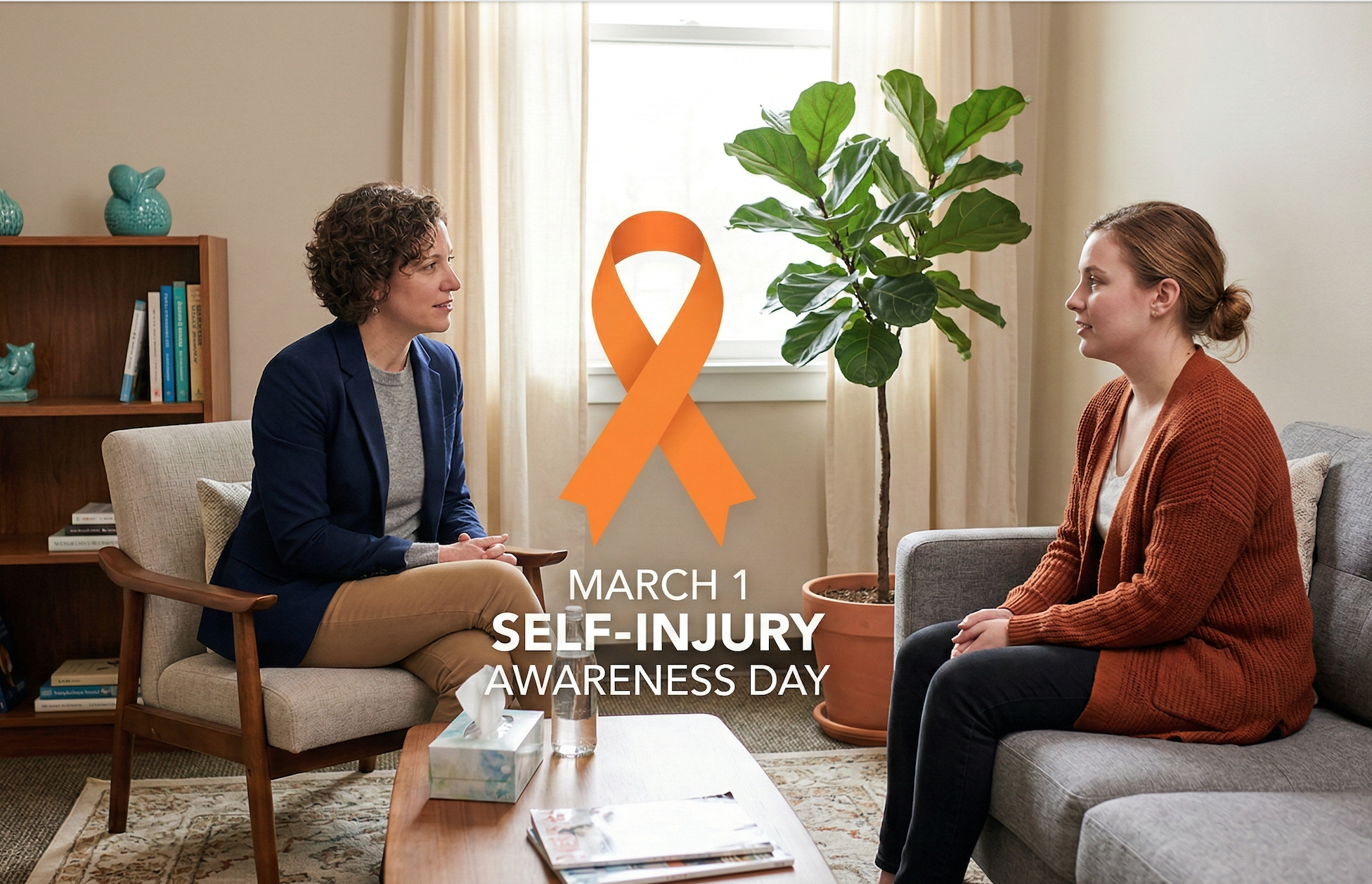
Each year on March 1, communities around the world recognize Self Injury Awareness Day, launching a month dedicated to education, compassion, and stigma reduction surrounding non-suicidal self-injury. Self-injury is a complex mental health concern that affects individuals across age groups, cultural backgrounds, and life circumstances. While often hidden due to shame, fear, or misunderstanding, self-harm behaviors are far more common than many realize and deserve thoughtful, informed, and empathetic attention.
Self-injury is not to be minimized as simply a bid for attention, nor is it simply a phase. It is often a coping strategy for overwhelming emotional distress, trauma, anxiety, depression, or difficulty regulating intense feelings. Increasing awareness helps communities recognize warning signs earlier, respond with compassion rather than judgment, and connect individuals with effective support. Education also plays a crucial role in prevention, early intervention, and long-term recovery.
During Self Injury Awareness Month, we are reminded that healing is possible. With the right support, resources, and evidence-based treatment approaches, individuals can learn healthier coping skills, build emotional resilience, and reclaim hope
What Is Self Injury
Self-injury, also referred to as non-suicidal self-injury or NSSI, involves deliberately harming one’s body without suicidal intent. Common forms can include
cutting
burning
scratching
hitting
biting, and
interfering with wound healing.
While self-injury can coexist with suicidal thoughts, many individuals engage in self-harm as a way to regulate emotional pain, release tension, or regain a sense of control.
According to the National Alliance on Mental Illness (NAMI) , self-injury is most often associated with difficulties in emotional regulation, trauma exposure, anxiety disorders, depression, eating disorders, and personality vulnerabilities. Research indicates that self-injury temporarily reduces emotional distress for some individuals, reinforcing the behavior and increasing the likelihood of repetition. This short-term relief often leads to a cycle that becomes increasingly difficult to break without professional support.
Understanding the Cycle of Self Injury
Self-injury often follows a predictable emotional and behavioral cycle. Understanding this pattern helps individuals and caregivers recognize triggers and intervene early.
The cycle typically begins with emotional distress, such as overwhelming sadness, anxiety, shame, anger, or numbness. These emotions may stem from trauma, interpersonal conflict, academic or work stress, social rejection, or internal self-criticism. As emotional tension builds, individuals may experience intrusive thoughts about harming themselves as a means of relief.
Next, the urge intensifies, often accompanied by physical agitation, racing thoughts, or emotional overwhelm. Engaging in self-injury temporarily reduces this internal distress, creating a sense of calm, release, or grounding. Unfortunately, this relief is short-lived and often followed by guilt, shame, fear, or secrecy, which then fuels the next wave of emotional distress.
Over time, this cycle becomes deeply ingrained. The brain learns to associate self-injury with emotional relief, making urges stronger and more frequent. Effective treatment focuses on interrupting this cycle by teaching alternative coping skills, emotional regulation strategies, and distress tolerance techniques.
Youth and Adolescents: Prevalence and Risk Factors
Self-injury most commonly begins during adolescence, a period marked by emotional vulnerability, identity development, and increased social pressures. According to the National Institute of Mental Health, approximately 17 percent of adolescents report engaging in self-injury at least once. Rates have continued to rise since 2020, particularly following the COVID-19 pandemic, which intensified social isolation, academic stress, and emotional distress among youth.
The Centers for Disease Control and Prevention report significant increases in emergency room visits for self-harm among adolescents between 2020 and 2023, especially among teen girls. Among youth ages 12 to 17, self-harm behaviors are strongly associated with depression, anxiety, bullying, social media exposure, trauma, family conflict, and academic pressure.
Racial and ethnic disparities also exist. Studies show that while self-injury has historically been reported at higher rates among White adolescents, recent data indicate rising prevalence among Black, Latino, Indigenous, and Asian youth. Structural inequities, cultural stigma, and barriers to mental health care contribute to underreporting and delayed intervention in many communities.
Adults: Understanding Self Injury Across Adulthood
Although self-injury is often associated with adolescence, many adults continue to struggle with self-harm behaviors well into adulthood. According to SAMHSA, approximately 5 to 6 percent of adults report a history of self-injury, with higher prevalence among young adults ages 18 to 34.
Adult self-injury is frequently linked to unresolved trauma, chronic stress, mood disorders, substance use disorders, and interpersonal difficulties. Workplace stress, financial strain, caregiving demands, and relationship challenges can intensify emotional distress and increase vulnerability. Adults may hide self-harm behaviors more effectively, making identification and support more difficult.
Racial disparities persist among adults as well. Black, Latino, Indigenous, and Asian American adults often experience higher barriers to mental health care, leading to underdiagnosis and untreated emotional distress. Cultural stigma and mistrust of healthcare systems further complicate help-seeking behaviors.
Older Adults: A Hidden Population at Risk
Self-injury among older adults is less frequently discussed but remains a critical concern. Emotional distress in later life may be driven by grief, chronic illness, isolation, cognitive decline, loss of independence, and social disconnection. While prevalence rates appear lower than in younger populations, experts believe self-harm is significantly underreported among older adults.
Between 2020 and 2024, emergency department data indicate a steady rise in intentional self-injury among adults aged 60 and older. Older adults are less likely to disclose emotional pain and may internalize beliefs that mental health struggles are a personal weakness rather than a medical concern. Cultural stigma, generational beliefs, and limited access to geriatric mental health specialists further limit treatment engagement.
Cultural Considerations and Self Injury
Culture significantly shapes how individuals experience emotional distress, seek support, and interpret self-harm behaviors. Cultural stigma, family expectations, religious beliefs, and historical trauma all influence how self-injury is understood and addressed.
In many communities of color, mental health concerns are often minimized or viewed as personal failures. This discourages open conversation and delays intervention. Indigenous communities face compounded trauma related to colonization, systemic oppression, and historical displacement, contributing to elevated rates of emotional distress and self-harm.
LGBTQ+ individuals experience disproportionately high rates of self-injury due to stigma, discrimination, identity-based trauma, and social rejection. According to The Trevor Project, over 40 percent of LGBTQ+ youth seriously considered suicide in 2023, and many reported engaging in self-harm behaviors as a coping mechanism.
Culturally responsive care is essential in addressing these disparities. Mental health services must honor identity, lived experience, and community context to foster trust, engagement, and healing.
Contributing Factors and Warning Signs
No single factor causes self-injury. Instead, it emerges from a complex interaction of emotional, psychological, social, and environmental influences.
Common contributing factors include trauma, abuse, bullying, academic stress, family conflict, perfectionism, low self-esteem, emotional dysregulation, anxiety disorders, depression, and social isolation. Exposure to self-harm content online can also increase risk, particularly among vulnerable youth.
Warning signs may include unexplained cuts or burns, frequent wearing of long sleeves, blood stains on clothing, isolation, mood changes, secrecy, low self-worth, emotional numbness, and expressions of shame or hopelessness. Early recognition allows families, educators, and healthcare providers to intervene before behaviors escalate.
How Families and Communities Can Help
Families, educators, faith leaders, and community members play vital roles in prevention and recovery. Creating emotionally safe environments, modeling healthy coping, and maintaining open conversations about mental health reduces shame and encourages help-seeking behaviors.
Education and training programs that teach emotional literacy, stress management, and trauma-informed care strengthen protective factors. Community partnerships between schools, healthcare providers, and nonprofits expand outreach and reduce barriers to access.
Suicide & Crisis Lifeline: 1-800-273-8255, or 988.
The service is free, confidential, and open 24 hours a day, 7 days a week. Available. In English and Spanish. Through partnership with Language Line Solutions, interpretation for more than 240 additional language are provided. Send any message to 988 to start a text conversation.
For TTY Users - Use your preferred relay service or dial 711 then 988.
For Veterans - dial 988, then press 1 or s end a text message to 838255
A national 24/7 crisis intervention and suicide prevention service for LGBTQ+ youth.
Call 1-866-488-7386 or text START to 678-678
Call 1-800-662-HELP for confidential mental health and substance use support.
How Dialectical Behavior Therapy Supports Healing
Dialectical Behavior Therapy, commonly known as DBT, is one of the most evidence-based treatments for self-injury and emotional dysregulation. Originally developed by Dr. Marsha Linehan, DBT teaches individuals how to tolerate distress, regulate emotions, improve relationships, and remain present during emotional challenges.
DBT focuses on four core skill areas: mindfulness, distress tolerance, emotion regulation, and interpersonal effectiveness. These skills empower individuals to replace self-harm behaviors with healthier coping strategies that promote emotional stability and self-respect.
Research shows that DBT significantly reduces self-injury, suicidal ideation, hospitalizations, and emotional reactivity across adolescents and adults. DBT skills groups provide structured learning environments where participants practice new skills, receive validation, and develop supportive peer connections.
At ACM, LLC, we offer DBT-informed therapy and structured DBT Skills Groups designed to support emotional regulation, resilience, and recovery. If you’re interested in learning more can sign up for DBT Skills Group and program updates to begin building lasting coping tools here:
Final Thoughts
Self Injury Awareness Month reminds us that self-harm is not a weakness or character flaw. It is a response to emotional pain that deserves compassion, understanding, and evidence-based care. Through education, early intervention, and community support, healing becomes possible.
If you or someone you love is struggling with self-injury, help is available. Therapy, DBT skills groups, and supportive resources can guide individuals toward healthier coping and emotional stability. At ACM, LLC, we are committed to walking alongside individuals and families on their journey toward healing.

Awareness Leads to Healing
If you are interested in learning DBT skills, joining a DBT Skills Group, or receiving therapy support, contact us today to schedule a consultation or sign up for program updates. Healing begins with reaching out.
Further Reading and Resources
For Adolescents:
The DBT Skills Workbook for Teen Self-Harm: Practical Tools to Help You Manage Emotions and Overcome Self-Harming Behaviors by Sheri Van Dijk MSW
A practical workbook offering DBT-based coping strategies, emotional regulation exercises, and safety planning tools.
The Mindfulness Workbook for Teen Self-Harm: Skills to Help You Overcome Cutting and Self-Harming Behaviors, Thoughts, and Feelings by Gina M. Biegel MA LMFT and Stacie Cooper PsyD
Offers teens practical, evidence-based mindfulness tools to help reduce self-harming behaviors, manage overwhelming emotions, and build self-compassion and healthier coping strategies.
For Adults:
The Dialectical Behavior Therapy Skills Workbook: Practical DBT Exercises for Learning Mindfulness, Interpersonal Effectiveness, Emotion Regulation, and Distress Tolerance by Matthew McKay PhD, Jeffrey C. Wood PsyD, and, Jeffrey Brantley MD
A leading workbook for managing intense emotions, reducing self-destructive behaviors, and building healthier coping strategies.
The Parent's Guide to Self-Harm: What parents need to know by Dr. Jane Smith
A compassionate, practical roadmap to help parents understand why self-harm occurs, recognize warning signs, respond supportively, and guide their child toward healing and recovery.
For Older Adults:
Depression in Later Life: An Essential Guide by Deborah Serani
A practical guide that helps older adults, caregivers, and families understand late-life depression, recognize symptoms, and navigate evidence-based and holistic treatment options to improve quality of life.
The Aging Well Workbook for Anxiety and Depression: CBT Skills to Help You Think Flexibly and Make the Most of Life at Any Age by Dr. Julie Erickson, Dr. Neil A Rector, and Dr. Robert L. Leahy
An empowering, skills-based workbook grounded in cognitive behavioral therapy that teaches flexible thinking strategies and practical tools to manage anxiety and depression while fostering resilience and emotional well-being at any stage of aging.
Disclaimer: The suggestions provided above are solely for informational purposes only and is not a substitute for professional medical or psychological advice, diagnosis, or treatment. Please consult a healthcare provider for personalized support.s. Neither I nor this platform has any financial or other affiliation with the authors, publishers, or distributors of these materials. Please choose resources that best suit your unique needs and preferences. The links to external websites that are not maintained or controlled by ACM, LLC. These links are provided for informational purposes only and do not constitute an endorsement or guarantee of the content, accuracy, or safety of the linked websites. By clicking on any external link, you acknowledge and agree that ACM, LLC is not responsible for the privacy practices, security, or content of external sites. We encourage you to review the terms, conditions, and privacy policies of any third-party websites you visit.
Reference(s):
https://mhanational.org/conditions/self-injury-cutting-self-harm-or-self-mutilation/
https://www.samhsa.gov/mental-health/what-is-mental-health/conditions/self-harm
https://www.therecoveryvillage.com/mental-health/self-harm/self-harm-statistics/
Join the Conversation!
What strategies have helped you or your loved ones cope with overwhelming emotions? Share your thoughts, experiences, or questions in the comments to help reduce stigma and foster connection.