Honoring Black History Month
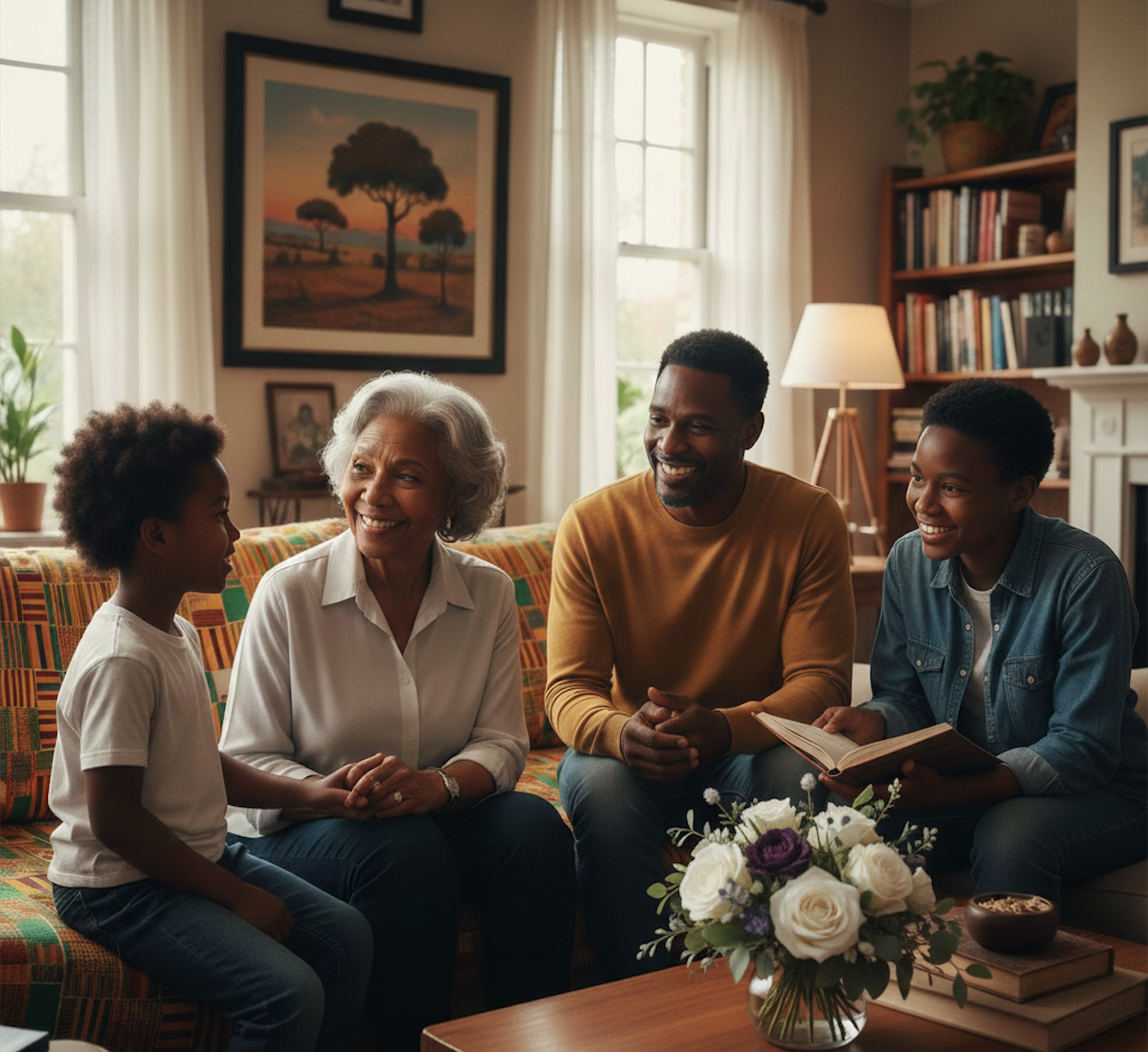
Advancing Mental Health Awareness, Equity, and Healing in African American Communities
Every February, Black History Month offers a powerful opportunity to honor the profound contributions, resilience, creativity, and leadership of African Americans throughout history. Black History Month traces its origins to historian and educator Dr. Carter G. Woodson, who founded the Association for the Study of Negro Life and History (ASNLH) in 1915 to ensure that the contributions, achievements, and lived experiences of African Americans were accurately documented and celebrated.
In 1926, Dr. Woodson launched Negro History Week, selecting the second week of February to coincide with the birthdays of Frederick Douglass and Abraham Lincoln, both already widely honored within Black communities. His goal was not to limit Black history to one week or month, but to integrate it fully into American education and consciousness year-round. Over time, growing recognition of the importance of African American history led to the expansion of the observance into Black History Month in 1976, officially endorsed by the U.S. government during the nation’s bicentennial celebration.
While this month highlights achievements across culture, science, education, politics, and civil rights, it is also a vital time to acknowledge African American contributions to the field of psychology and mental health. It is equally important to examine current mental health realities, systemic barriers, and pathways toward healing and wellness.
Mental health awareness within African American communities is deeply intertwined with historical context, cultural identity, and lived experiences. The legacy of slavery, segregation, systemic racism, and ongoing social inequities has shaped generational trauma while also cultivating extraordinary resilience and strength. During Black History Month, it is essential to center these realities, celebrate African American pioneers in mental health, and foster open dialogue that promotes healing, empowerment, and equitable access to care.
African American Pioneers Who Transformed Psychology and Mental Health
The field of psychology and mental health has been profoundly shaped by African American scholars, clinicians, researchers, and advocates whose work challenged discriminatory practices and expanded our understanding of human behavior, development, and healing. These trailblazers challenged stereotypes, expanded scientific knowledge, and advocated for culturally responsive care.
Dr. Francis Cecil Sumner (1895–1954)
Known as the “Father of Black Psychology,” Dr. Sumner was the first African American to earn a PhD in psychology in the United States. He established the first psychology department at a historically Black college, Howard University, and trained generations of Black psychologists who would go on to influence education, clinical practice, and research nationwide.
Dr. Mamie Phipps Clark (1917–1983)
Dr. Clark’s groundbreaking “Doll Studies” revealed the damaging effects of racial segregation on children’s self-esteem and identity. Her work directly influenced the 1954 Supreme Court decision in Brown v. Board of Education, which ended school segregation. Dr. Clark also co-founded the Northside Center for Child Development, providing culturally responsive mental health services to underserved families.
Dr. Maxie Clarence Maultsby Jr. (1932–2016)
Dr. Maultsby was a psychiatrist and creator of Rational Behavior Therapy, a precursor to modern Cognitive Behavioral Therapy (CBT). His work emphasized self-regulation, emotional responsibility, and cognitive restructuring, contributing foundational concepts still used in therapy today.
Bebe Moore Campbell (1950–2006)
A powerful mental health advocate and bestselling author, Campbell worked tirelessly to reduce stigma surrounding mental illness in communities of color. She co-founded National Alliance on Mental Illness (NAMI) in Inglewood, CA expanding culturally competent mental health education and outreach nationwide.
Dr. E. Kitch Childs
Dr. Childs is recognized for advancing culturally responsive psychological training and practice, emphasizing the importance of culturally grounded clinical approaches that respect lived experiences, identity, and community context.
Mental Health in African American Communities: Current Realities and Disparities
Despite meaningful progress, African Americans continue to face significant mental health disparities. According to the National Alliance on Mental Illness (NAMI), approximately 21% of Black adults experience a mental illness each year, yet only about 39% receive treatment, compared to nearly 52% of White adults.
African American youth are also at increased risk. Suicide rates among Black children and adolescents have risen dramatically in recent decades. The CDC reports that suicide among Black youth aged 10–24 increased by nearly 60% between 2007 and 2021, making it one of the fastest-growing suicide rates among any demographic group.
These disparities reflect not individual failings, but structural inequities, including barriers to healthcare access, stigma, provider shortages, financial obstacles, and deeply rooted medical mistrust.
The Impact of Racism and Barriers to Mental Health Care
Understanding the mental health experiences of African Americans requires acknowledging the profound influence of racism, systemic inequality, and historical trauma. These forces not only shape emotional well-being but also create significant barriers to accessing quality, culturally responsive mental health care. For many individuals and families, the journey toward healing is complicated by mistrust, structural inequities, and chronic stress that spans generations.
Historical Roots of Medical Mistrust
Medical mistrust within African American communities is deeply rooted in a history of unethical medical practices and systemic exploitation. One of the most well-known examples is the Tuskegee Syphilis Study, in which Black men were deliberately denied treatment for syphilis without their informed consent, even after effective treatment became available. Additional abuses include forced sterilization, involuntary experimentation, and exclusion from ethical medical standards. These experiences created lasting trauma and a deeply ingrained skepticism toward healthcare institutions.
Although these atrocities occurred decades ago, their legacy continues to shape perceptions of care today. African Americans are still more likely to experience misdiagnosis, undertreatment of pain, dismissal of emotional distress, and inadequate mental health screening. Research consistently demonstrates that racial bias influences clinical decision-making, often resulting in lower quality care. These ongoing inequities reinforce fear, avoidance, and reluctance to seek help, particularly for mental health concerns that already carry social stigma.
As a result, many individuals delay treatment until symptoms become severe, increasing the likelihood of crisis, hospitalization, and long-term impairment. Addressing medical mistrust requires transparency, accountability, representation, and culturally responsive practices that actively rebuild trust and honor lived experience.Medical mistrust within African American communities is grounded in historical trauma and unethical treatment, including the Tuskegee Syphilis Study, forced sterilization, exploitation in medical research, and unequal treatment within healthcare systems. These experiences foster deep skepticism toward institutions meant to provide care.
Systemic Barriers to Accessing Mental Health Services
Beyond historical mistrust, African Americans face persistent systemic barriers that significantly limit access to mental health care. These obstacles affect both the availability of services and the ability to engage in treatment consistently and effectively.
Common barriers include:
Lack of health insurance or underinsurance
Financial strain and high out-of-pocket therapy costs
Shortages of culturally competent mental health providers
Long wait times for appointments
Transportation challenges and geographic isolation
Limited access to telehealth in underserved communities
Cultural stigma surrounding mental illness and therapy
Together, these barriers reduce early intervention, leading to delayed diagnosis, prolonged suffering, and increased risk for acute mental health crises. When individuals are unable to access timely support, symptoms often worsen, affecting relationships, academic performance, work functioning, and physical health. Over time, untreated mental illness compounds existing health disparities, reinforcing cycles of disadvantage and distress.
Improving access requires systemic reform, insurance expansion, workforce diversity, community-based services, and policies that prioritize equity and affordability. Equally important is increasing mental health literacy within families, schools, and faith communities to normalize help-seeking and reduce stigma.
Racism, Accelerated Aging, and Health Disparities in Black America
One of the most critical yet often overlooked dimensions of African American health is the biological impact of chronic racism. The Centers for Disease Control and Prevention and the National Institute on Minority Health and Health Disparities identify racism as a central social determinant of health. Persistent exposure to discrimination, social marginalization, and economic stress does not simply affect emotional well-being. It also alters physical health trajectories, contributing to earlier disease onset, increased disability, and reduced life expectancy.
Public health scholar Dr. Arline Geronimus introduced the concept of the “weathering” effect which describes how chronic exposure to racism, discrimination, and social adversity leads to accelerated biological aging. Prolonged stress activates inflammatory responses and hormonal dysregulation that damage organs, weaken immune systems, and increase vulnerability to disease.
Research indicates that Black adults often exhibit signs of biological aging 10 to 15 years earlier than White adults, contributing to increased rates of cardiovascular disease, diabetes, autoimmune disorders, maternal mortality, stroke, and early disability. (See Stress Less, Thrive More! blog). Addressing health disparities requires not only clinical intervention but also systemic reform that prioritizes equity, social justice, and community investment.
Psychological Impacts of Lifelong Racism
The emotional toll of racism extends far beyond individual encounters. Racial trauma can shape identity development, emotional expression, coping strategies, and interpersonal relationships. When individuals face repeated discrimination without adequate support or validation, psychological distress often accumulates.
Common mental health effects of chronic racism include:
Persistent anxiety and fear
Depressive symptoms and emotional numbness
Hypervigilance and heightened threat perception
Sleep disturbances
Emotional exhaustion and burnout
Intergenerational trauma transmission
Many individuals develop adaptive coping mechanisms such as emotional suppression, hyper-independence, or overachievement as survival strategies. While these patterns may support short-term functioning, they can also limit emotional expression, increase isolation, and delay help-seeking.
Mental health treatment must therefore extend beyond symptom management. Effective care must acknowledge historical context, validate lived experiences, and integrate culturally responsive, trauma-informed approaches that honor identity, resilience, and collective healing.
Strength, Resilience, and Pathways to Healing
Although faced with generations of systemic challenges, African American communities continue to demonstrate extraordinary resilience, cultural strength, and adaptive coping. Throughout history, African Americans have cultivated powerful survival strategies rooted in connection, faith, creativity, and collective care. These strengths not only support emotional well-being but also provide vital pathways to healing, empowerment, and hope.
Resilience within African American communities is not merely individual, but deeply collective. Families, faith institutions, community leaders, and cultural traditions play an essential role in sustaining emotional health and fostering a sense of belonging. These protective networks often serve as primary sources of comfort, guidance, and stability, especially in times of adversity. By honoring these strengths within mental health care, clinicians and communities alike can support more effective and meaningful healing.
Cultural Protective Factors
African American cultural traditions offer powerful buffers against stress, trauma, and emotional hardship. These protective factors contribute to psychological resilience and serve as anchors during times of uncertainty and distress.
Key protective factors include:
Strong Family and Community Networks: Extended family systems, close-knit neighborhoods, and multigenerational support provide emotional safety, accountability, and a sense of shared responsibility. These connections foster belonging, reduce isolation, and create spaces for emotional expression and problem-solving.
Faith and Spirituality: For many African Americans, spirituality and religious involvement serve as profound sources of strength, meaning, and hope. Prayer, worship, and faith-based communities offer emotional comfort, moral grounding, and social support, often acting as frontline mental health resources within the community.
Cultural Pride and Identity: A strong sense of cultural identity, historical awareness, and pride in heritage promotes self-worth, resilience, and psychological stability. Understanding one’s roots and contributions fosters empowerment, counters internalized racism, and supports emotional growth.
Collective Resilience: African American communities have long relied on collective survival strategies, emphasizing cooperation, mutual aid, and shared advocacy. This communal resilience strengthens emotional endurance and reinforces the belief that healing is a shared journey rather than an isolated one.
Together, these protective factors mitigate the harmful effects of chronic stress, discrimination, and trauma. They nurture emotional balance, enhance coping capacity, and reinforce hope even amid systemic challenges.
Culturally Responsive Therapy: A Foundation for Healing
Culturally responsive mental health care recognizes that healing is most effective when treatment honors lived experiences, cultural values, historical realities, and community strengths. For African American individuals and families, therapy must extend beyond symptom reduction to address identity, resilience, racial stress, and intergenerational trauma.
Culturally responsive therapy prioritizes trust, safety, collaboration, and empowerment. Clinicians who practice cultural humility actively listen, validate experiences of racism and discrimination, and create spaces where clients feel respected, understood, and affirmed. This approach strengthens the therapeutic alliance, reduces medical mistrust, and increases engagement and treatment outcomes.
Effective culturally responsive therapy also integrates:
Trauma-informed care
Strength-based interventions
Racial identity development frameworks
Community-informed practices
Advocacy and empowerment models
When individuals feel seen and valued within therapy, they are more likely to explore emotional vulnerabilities, process trauma, and develop healthier coping strategies. This therapeutic environment fosters not only symptom relief but also long-term emotional resilience, self-acceptance, and empowerment.
By combining evidence-based interventions with cultural awareness, therapy becomes a powerful tool for restoring emotional balance, rebuilding trust, and nurturing psychological growth. For more information on the unique struggles faced by BIPOC communities and strategies for breaking barriers to care, see our National BIPOC Mental Health Awareness Month blog.
How Communities Can Further Support African American Mental Wellness
Building mental health equity requires collective action across families, schools, healthcare systems, workplaces, and community organizations. When communities prioritize culturally responsive care, education, and advocacy, they create environments where African American individuals and families feel supported, empowered, and safe seeking help. Sustainable change occurs when emotional wellness becomes a shared responsibility rather than an individual burden.
1. Normalize Mental Health Conversations
Encouraging open discussions about mental health within families, churches, schools, and workplaces helps dismantle stigma and promotes early intervention. Sharing personal stories, hosting mental health workshops, and incorporating emotional wellness into community programming create spaces where vulnerability is met with compassion. Normalizing these conversations strengthens trust and fosters emotional connection across generations.
2. Expand Culturally Competent Care
Supporting training initiatives that increase cultural humility and awareness among mental health professionals improves treatment outcomes and client engagement. Encouraging diversity within the mental health workforce ensures that individuals can access providers who understand their lived experiences, cultural values, and community contexts. Culturally responsive care fosters safety, validation, and long-term therapeutic success.
3. Advocate for Policy and Systemic Change
Advocacy plays a critical role in expanding access to affordable, high-quality mental health care. Supporting legislation that increases funding for community mental health programs, telehealth services, school-based counseling, and workforce development helps close longstanding equity gaps. Systemic reform ensures that mental health support is accessible, sustainable, and inclusive.
4. Invest in Youth Programs
Early intervention through mentoring, trauma-informed education, and school-based mental health services significantly reduces long-term emotional and behavioral risks. Youth programs that promote emotional intelligence, identity development, and resilience equip young people with lifelong coping skills. When children feel supported early, they are more likely to thrive academically, socially, and emotionally.
5. Build Strong Community Partnerships
Collaborations between mental health providers, faith leaders, educators, and nonprofit organizations strengthen outreach, increase trust, and reduce barriers to care. Community partnerships allow services to meet people where they are, creating culturally aligned support systems that foster healing and belonging. Together, these alliances build sustainable pathways toward emotional wellness.
For more information about community events throughout Las Vegas, NV this February, check out the following links:
Final Thoughts
Black History Month reminds us that healing is both personal and collective. The pioneers who paved the way in psychology and mental health laid a foundation of resilience, advocacy, and transformation. Today, their legacy continues through culturally responsive care, community empowerment, and courageous conversations about race, wellness, and equity.
True mental health equity requires acknowledging systemic harm while fostering empowerment, education, and access. Healing happens when individuals, families, providers, and communities work together to dismantle barriers and cultivate hope.

Start Your Journey Today!
This Black History Month, we invite you to reflect, learn, and take meaningful steps toward mental health equity, beginning with your own wellness. Seeking support is an act of courage, strength, and self-respect. Whether you are navigating stress and uncertainties, or simply seeking growth, therapy offers a safe and compassionate space to begin. Reach out today to start your personal journey toward healing, resilience, and emotional well-being.
Further Reading and Resources
For Adolescents & Teens:
Healing Racial Stress Workbook for Black Teens: Skills to Help You Manage Emotions, Resist Racism, and Feel Empowered (The Instant Help Social Justice Series) by Jessica S. Henry PhD
A practical, empowering workbook that helps Black teens process racial stress, build emotional resilience, and develop coping skills to manage racism and strengthen self-worth.
The King Inside: Practical Advice for Young African-American Males by Dr. Angelise M Rouse
A motivational guide offering culturally affirming life lessons, character-building strategies, and personal development tools to help young Black males grow into confident, responsible leaders.
Self-Love & Self-Esteem Workbook for Black Teen Girls by Serena James
An engaging, affirming workbook that uses journaling, reflection, and confidence-building exercises to support Black teen girls in developing strong self-worth, emotional health, and personal empowerment.
For Adults:
Mental Health Journal for Black Women: Prompts and Practices to Prioritize Yourself and Nurture Your Well-Being by Mercedes J. Okosi PsyD
A guided journal created specifically for Black women, offering affirmations, reflective prompts, and evidence-based exercises to reduce stress, strengthen self-care, and support emotional healing.
Self-Care for Black Men: 100 Ways to Heal and Liberate (Self-Care for Black Men Series) by Jor-El Caraballo
An empowering guide that provides culturally responsive strategies, reflections, and practical tools to help Black men prioritize mental wellness, emotional healing, and personal growth.
What Every Black Parent Needs to Know About Saving Our Sons: Institutionalized Racism, Society, and Raising Black Children by Marita Golden
A powerful parenting resource that explores how systemic racism impacts Black boys and offers guidance, insight, and strategies for fostering resilience, safety, and emotional well-being.
For Older Adults:
The Unapologetic Workbook for Black Mental Health: A Step-by-Step Guide to Build Psychological Fortitude and Reclaim Wellness by Rheeda Walker PhD
A practical, empowering workbook that helps Black individuals build emotional resilience, challenge stigma, and develop culturally responsive tools for healing and mental wellness.
Aging While Black: A Radical Reimagining of Aging and Race in America by Raymond A Jetson
A transformative exploration of how race shapes the aging experience in America, offering insight, advocacy, and community-centered strategies to improve the quality of life for Black elders.
Black/African American Older Adults: A Guide To Managing Your Health
A culturally informed guide designed to support Black older adults in navigating aging, chronic illness, healthcare systems, and overall wellness with dignity and empowerment.
Disclaimer: The suggestions provided above are solely for informational purposes only and is not a substitute for professional medical or psychological advice, diagnosis, or treatment. Please consult a healthcare provider for personalized support.s. Neither I nor this platform has any financial or other affiliation with the authors, publishers, or distributors of these materials. Please choose resources that best suit your unique needs and preferences. The links to external websites that are not maintained or controlled by ACM, LLC. These links are provided for informational purposes only and do not constitute an endorsement or guarantee of the content, accuracy, or safety of the linked websites. By clicking on any external link, you acknowledge and agree that ACM, LLC is not responsible for the privacy practices, security, or content of external sites. We encourage you to review the terms, conditions, and privacy policies of any third-party websites you visit.
References
https://mhanational.org/resources/black-pioneers-in-mental-health/
https://www.casapacifica.org/2025/02/03/5-black-mental-health-pioneers-who-transformed-the-field/
https://thequellfoundation.org/news/celebrating-black-trailblazers/
https://mhanational.org/resources/african-mental-health-quick-facts/
https://www.apa.org/pi/oema/resources/ethnicity-health/african-american/prominent-psychologists
https://www.nami.org/community-and-culture/black-african-american/
https://www.samhsa.gov/data/sites/default/files/reports/rpt42731/2022-nsduh-nnr.pdf
https://link.springer.com/article/10.1007/s10942-020-00341-8
Join the Conversation!
How are you supporting mental wellness in your community this month? Share your thoughts, experiences, or resources in the comments. Let us continue the conversation and build a culture of care together.